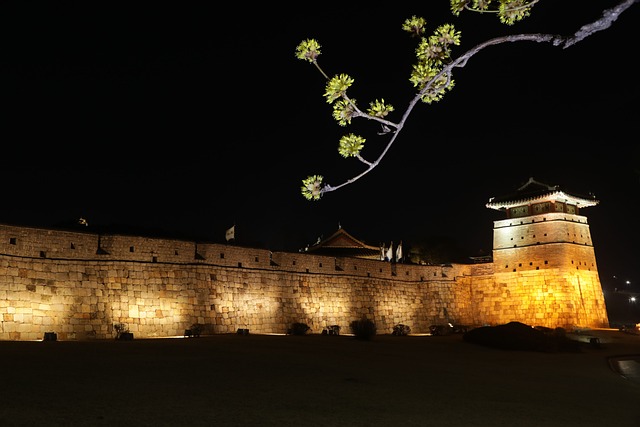
Riverside's Cultural Heritage: Shaping Artistic Traditions
Riverside, California, is celebrated for its rich cultural heritage, which deeply influences its vi.......
Read more →
Cultural-Heritage: Preserving the Past for a Sustainable Future
In this comprehensive article, we will delve into the world of cultural heritage, exploring its significance, global impact, economic considerations, technological advancements, policy and regulation, challenges and criticisms, case studies, and future prospects.
Understanding Cultural-Heritage
Cultural-heritage refers to the collective memory and legacy of a society, encompassing tangible and intangible aspects. This includes historical monuments, artifacts, literature, music, dance, and traditions that shape an individual's identity and community's sense of belonging. The concept is deeply rooted in human history, with ancient civilizations like Egypt, Greece, and Rome leaving behind architectural wonders, written records, and artistic masterpieces.
Core components:
Historical context: Cultural-heritage has evolved over time, influenced by factors like colonization, migration, and technological advancements. In the 20th century, UNESCO's efforts to preserve cultural-heritage gained momentum, recognizing its value in promoting cross-cultural understanding and unity.
Significance: Cultural-heritage serves as a connection to our collective past, providing:
Global Impact and Trends
The international influence of cultural-heritage is significant, with:
Regional trends:
Economic Considerations
The economic aspects of cultural-heritage are crucial, with:
Key statistics:
Technological Advancements
Significant technological advancements have transformed the way we engage with cultural-heritage, including:
Policy and Regulation
Governments and international organizations play a crucial role in shaping policies and regulations governing cultural-heritage, with:
Key challenges:
Challenges and Criticisms
Cultural-heritage faces several challenges, including:
Actionable solutions:
Case Studies
Success stories in cultural-heritage include:
Future Prospects
As we move forward, cultural-heritage will continue to evolve, with:
Conclusion
Cultural-heritage is a vital component of our shared human experience, requiring careful preservation and innovative approaches to ensure its continued relevance. By acknowledging the challenges and opportunities presented by cultural-heritage, we can work together towards a more inclusive, sustainable future.
FAQs
Q: What is cultural-heritage? A: Cultural-heritage refers to the collective memory and legacy of a society, encompassing tangible and intangible aspects.
Q: Why is cultural-heritage important? A: It provides identity, education, and economic development, while fostering cross-cultural understanding and unity.
Q: How can I get involved in cultural-heritage preservation? A: Engage with local organizations, participate in community-led initiatives, and support digital platforms promoting cultural-heritage.